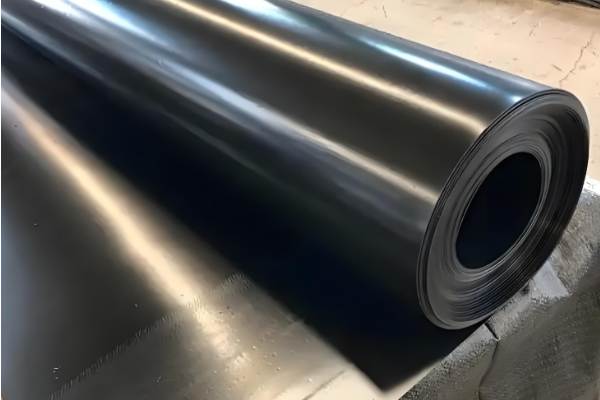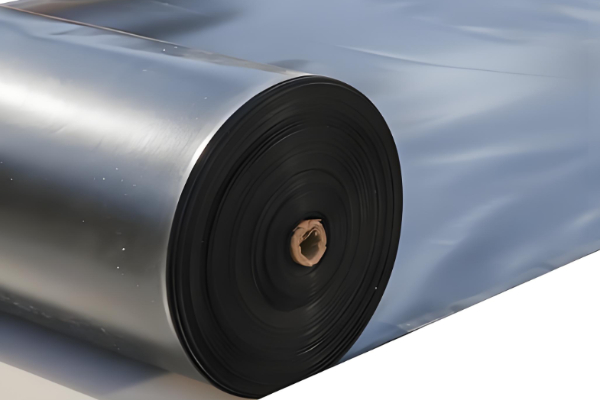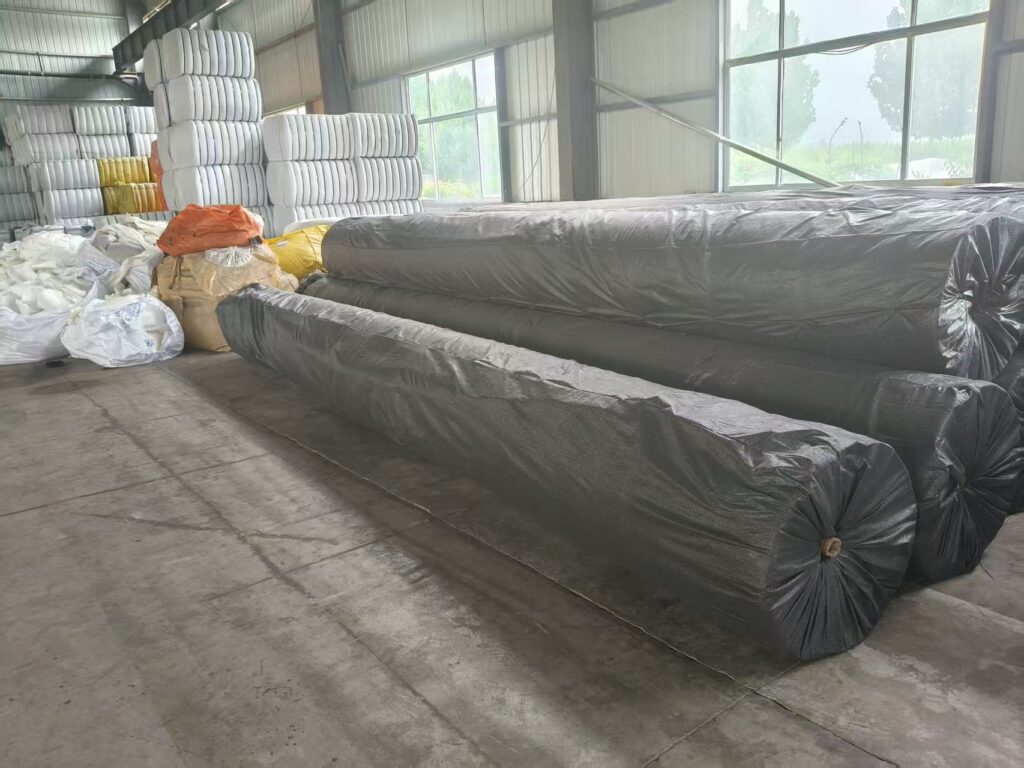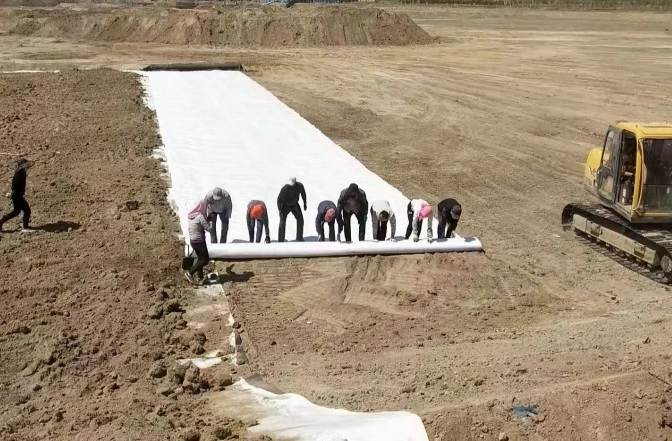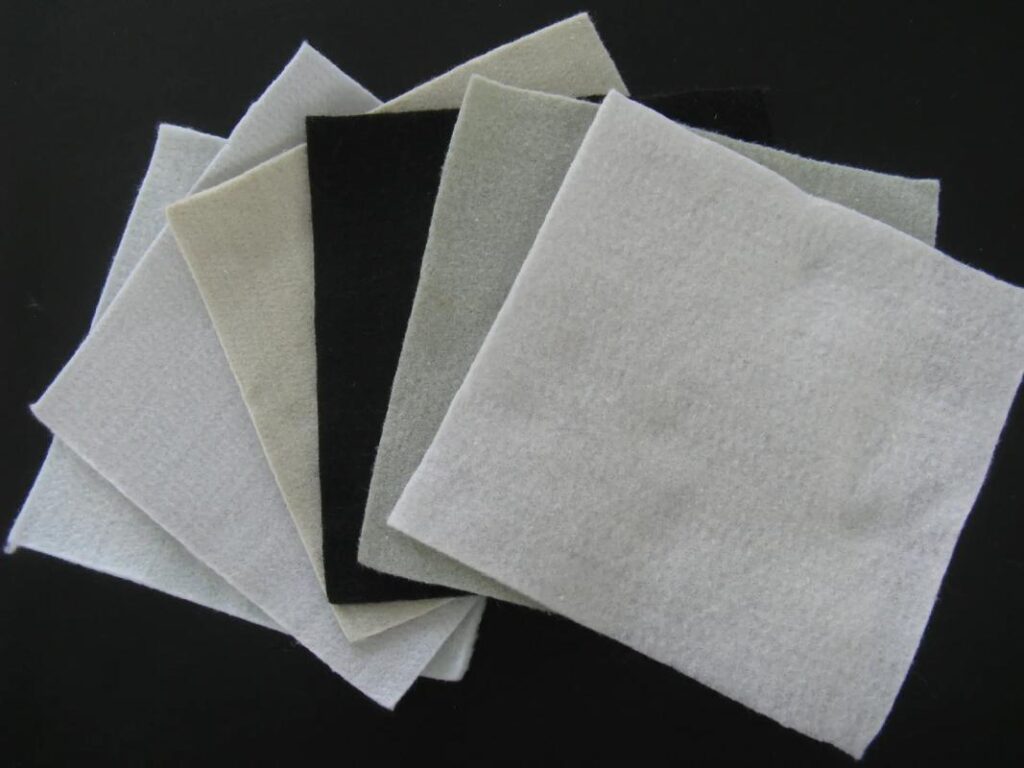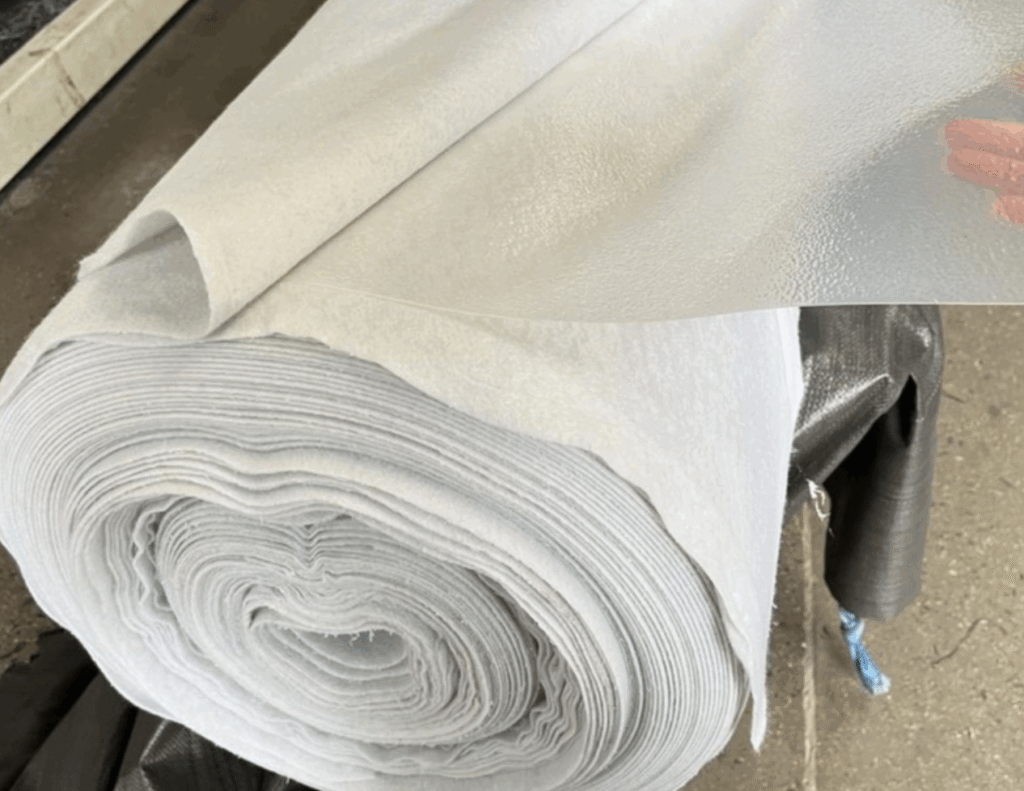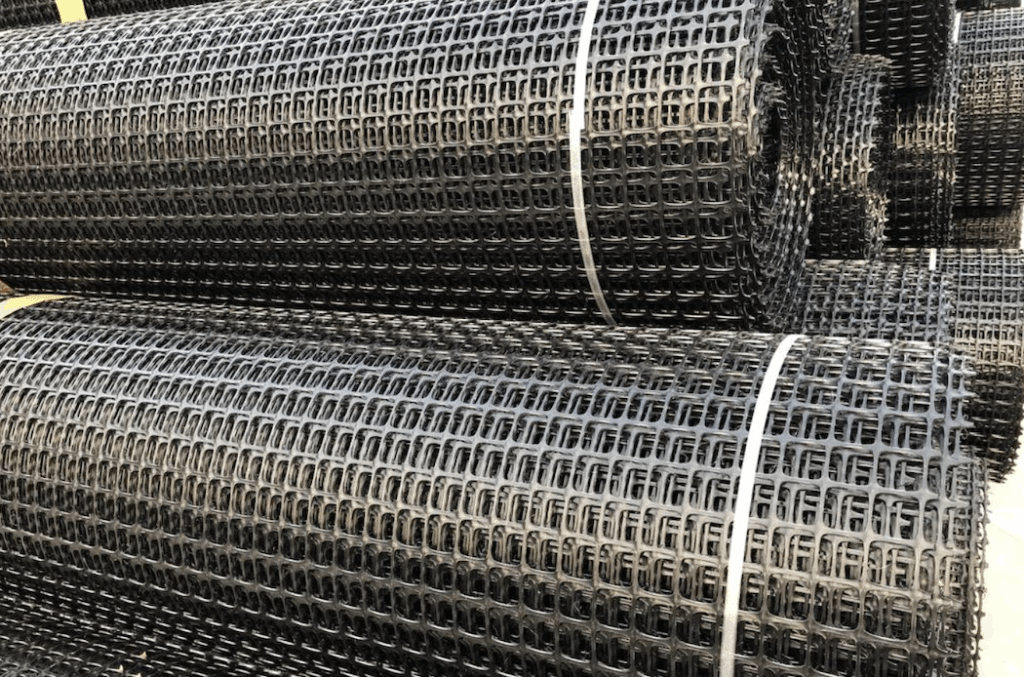
Do you spend countless weekends bent over,battling relentless weeds in your garden?Landscape fabric(also known as weed control fabric)is a highly effective solution for suppressing weeds and reducing maintenance.However,many people don’t realize that choosing the wrong type can lead to disastrous consequences—poor airflow causing root rot,flimsy material being pierced by weeds,ultimately wasting money and time without solving the problem.So What is the best landscape fabric?
This guide will take you through the differences between types of landscape fabric,key purchasing factors,and professional brand reviews to help you make the smartest choice for your project in one go.
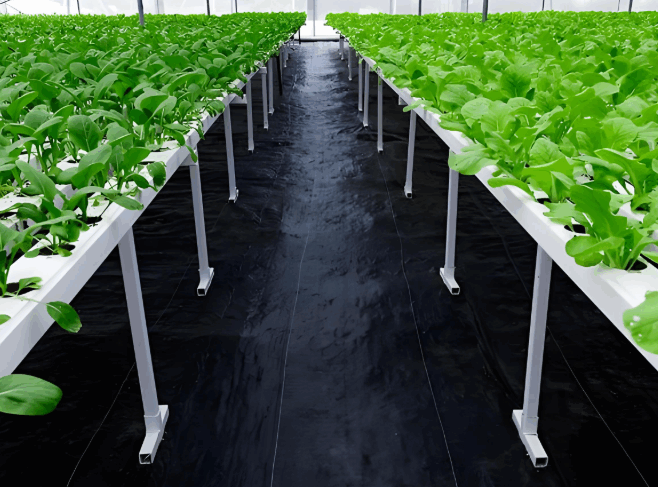
What is Landscape Fabric?
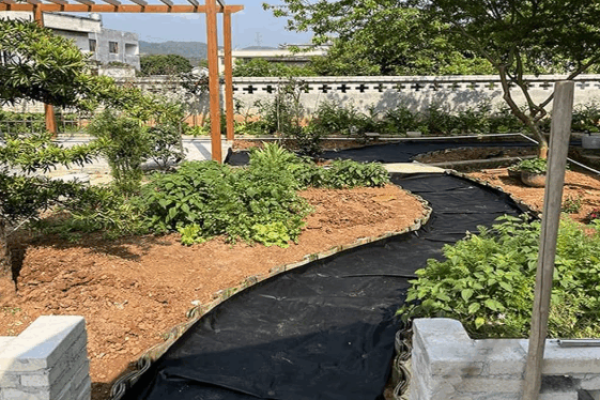
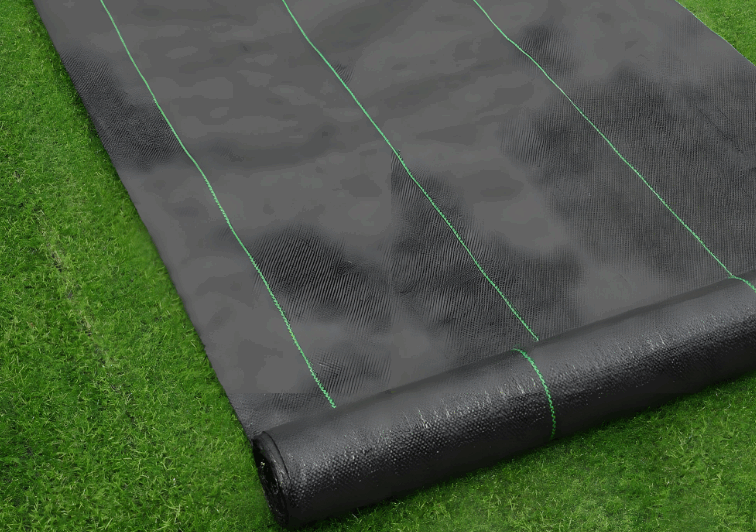
Landscape fabric is a permeable textile material laid beneath soil,mulch(like wood chips),gravel,or paving stones30.It suppresses weed growth by blocking sunlight,serving these main purposes:
Effective Weed Suppression:Significantly reduces weed germination and growth.
Moisture Retention:Helps soil retain moisture by reducing evaporation.
Soil Stabilization:Prevents soil erosion and sinking under gravel paths or stone patios,keeping the ground level.
The Three Main Types of Landscape Fabric
Choosing the right weed control fabric starts with understanding the material.This is the key to success.
1.Woven Landscape Fabric
Made from woven polypropylene(PP)or polyethylene(PE)tapes,this is the most common and versatile type.
Pros:Very durable,high tensile strength,good breathability,strong UV resistance.
Cons:Conforms less easily to uneven ground.Over time,stubborn weeds(like nutsedge)may penetrate the woven holes.
Best For:Gravel paths,under patios,rock gardens,and areas with high foot traffic or heavy loads.
2.Non-Woven Landscape Fabric
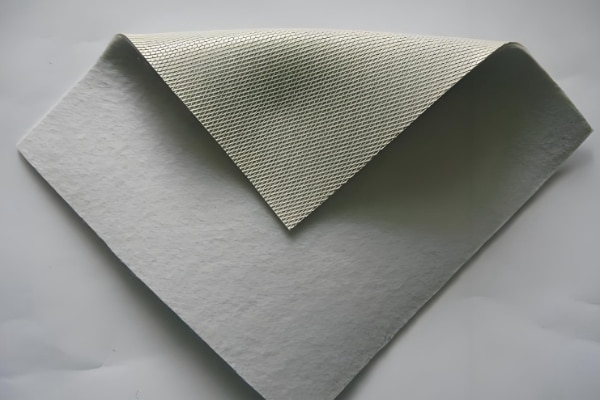
Made from polyester or polypropylene fibers bonded together by heat or chemicals.
Pros:Excellent water permeability and breathability,soft texture,easily conforms to irregular shapes and curves.
Cons:Generally less strong and durable than woven fabric,relatively easier to tear.
Best For:Flower beds,around shrubs,and other plant areas that require high water permeability.
3.Knitted/Spun Landscape Fabric
A newer technology that knits polypropylene fibers into a strong mesh structure,offering superior overall performance.
Pros:Extremely tough,tear-resistant,while maintaining superb water and air permeability.Easy to handle and install.
Cons:Usually the most expensive of the three types.
Best For:Nearly all applications;considered a high-end,long-lasting solution for both professional and home use.
Common Uses for Landscape Fabric
Landscape fabric is not universal;its use varies by garden type:
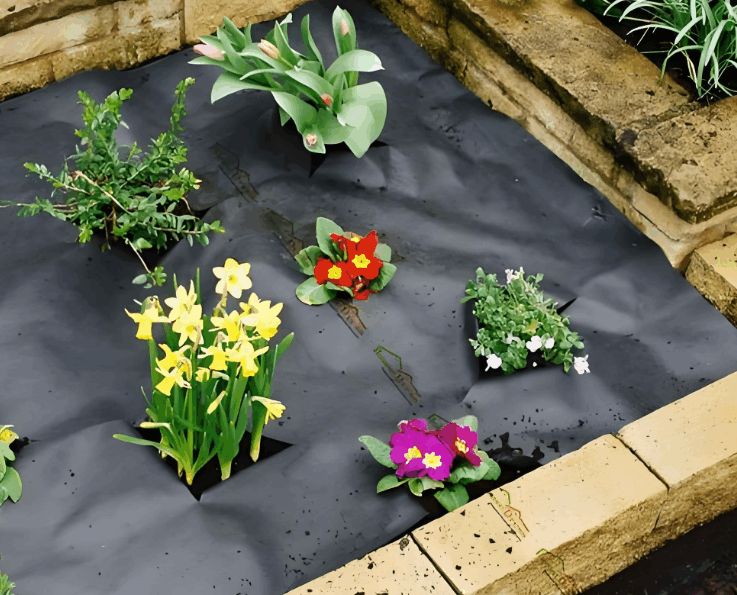
Residential Flower Beds&Shrub Beds:Effectively suppresses weeds without competing with ornamental plants for nutrients.Ideal for low-maintenance gardens where the goal is to enjoy the plants,not spend excessive time weeding.
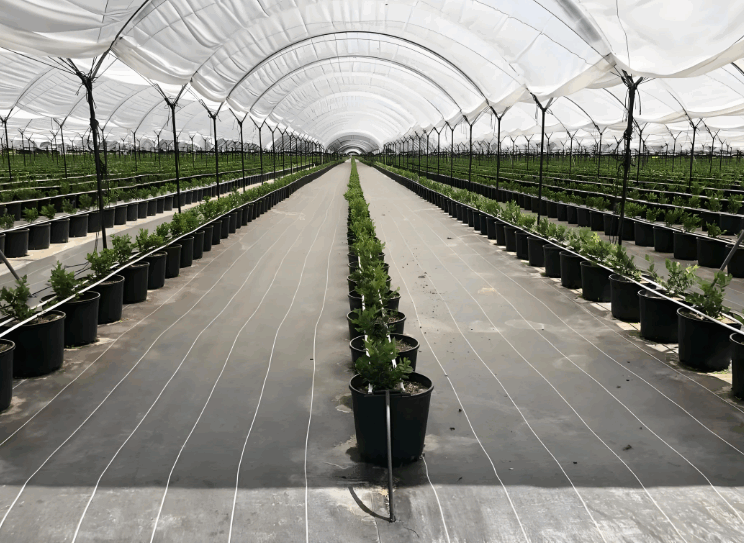
Vegetable Gardens:Protects delicate vegetables(like tomatoes and lettuce)from weed invasion while allowing water and fertilizer to penetrate.Choose a highly breathable weed barrier here to accommodate frequent watering needs.
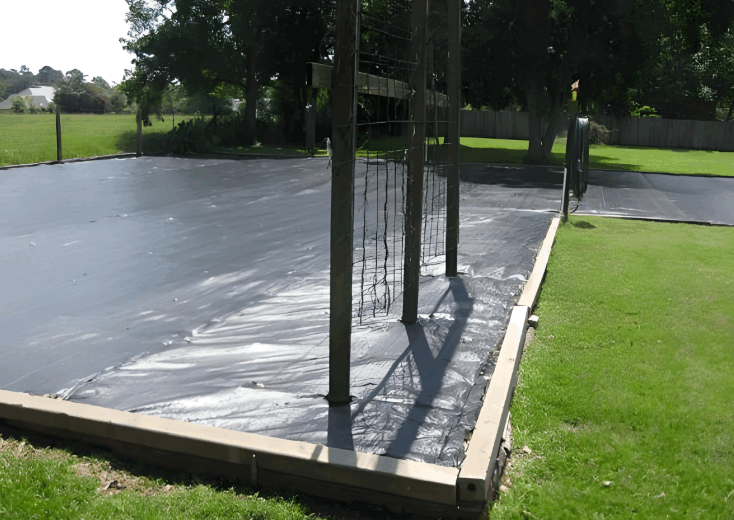
Pathways&Hardscapes:Laid under gravel,stone,or pavers to prevent weeds from growing through cracks.Heavy-duty landscape cloth is best here to withstand foot traffic.
Container Gardening:Placed at the bottom of large pots or planters to prevent soil from washing out of drainage holes.Lightweight non-woven fabric works well as it’s easy to cut to size.
Tree&Shrub Base Protection:Wrapped around the base of young trees or shrubs to prevent grass and weeds from competing for water.Remember to leave space around the trunk to avoid rot.
How to Choose Landscape Fabric
Material Type:Match the type to the use.Use Woven fabric for hardscapes and heavy-duty projects,Non-woven for decorative flower beds,and Knitted for a premium,all-around solution.
Weight&Thickness:Measured in grams per square meter(g/m²).A higher weight(e.g.,over 90g/m²)means a more durable and effective weed barrier.For long-term results,avoid products below 90g/m².
Permeability:The fabric must allow water and air to pass through freely to nourish plant roots and prevent waterlogging and runoff.This is crucial for plant health.
UV Resistance:UV rays degrade plastic fibers.Choose fabric explicitly labeled”UV stabilized”or”anti-UV”for a lifespan of several years;fabric without this will become brittle and crack quickly.
Project&Budget:Balance cost and longevity.A cheap roll might last only one season,while a high-weight,UV-resistant fabric is a 5-10 year investment.
Top 3 Best Landscape Fabrics for 2025
1.Best Overall(Professional Choice):DeWitt 5-oz Woven Weed Barrier
Type:Woven Polypropylene
Weight:~170g/m²(5 oz/yd²)
Why We Recommend It:A benchmark in the North American professional gardening market,renowned for its perfect balance of exceptional durability and breathability.It’s heavy enough to block stubborn weeds while ensuring excellent water and airflow.
Pros:Extremely durable,top-tier weed suppression,superior water flow,UV resistant.
Cons:Pricier than common brands.
Best For:Gravel paths,flower beds,and high-end landscaping projects seeking a permanent solution.
2.Best Value for Money:GardenMate Heavy-Duty Woven Weed Barrier
Type:Woven Polypropylene
Weight:~125g/m²(3.7 oz/yd²)
Why We Recommend It:For most home garden projects,this product offers an excellent balance between price and performance.It provides reliable durability and sufficient thickness to handle most weed problems.
Pros:Budget-friendly,reliable performance,easily available(on Amazon,Taobao).
Cons:Long-term UV resistance might be slightly inferior to top professional brands.
Best For:Common backyard landscaping,ordinary flower beds,weed suppression under trees.
3.Best for Water Permeability:Agfabric Non-Woven Weed Barrier
Type:Non-Woven Polypropylene
Weight:~100g/m²
Why We Recommend It:If your primary concern is plant health and water absorption,this non-woven fabric is an ideal choice.Its exceptional permeability ensures water reaches plant roots quickly while effectively suppressing weeds.
Pros:Excellent water permeability and breathability,soft and easy to install,good value.
Cons:weaker durability and tensile strength,not suitable for foot traffic or heavy loads.
Best For:Perennial flower beds,around shrubs,areas with high demands on root health.
Step-by-Step Guide to Installing Landscape Fabric
Installing landscape fabric is simple,requiring just a few tools(scissors,landscape stakes,landscape tape)and 30 to 60 minutes(depending on bed size).Follow these steps for a weed-free garden:
Pre-Installation Preparation
Before laying the weed barrier,prepare the area to ensure it works effectively:
Remove existing weeds:Pull all weeds by the roots or use a non-toxic herbicide(like vinegar)for stubborn ones.Skipping this allows weeds to grow underneath.
Level the soil:Use a rake to remove rocks,sticks,and clumps from the area.A smooth surface ensures the fabric lays flat and is less likely to tear.
Add fertilizer(if needed):If planting vegetables or flowers,add a layer of compost or slow-release fertilizer to the soil before laying the fabric,ensuring nutrients reach the roots.
Installation Steps
Unroll the fabric:Lay the landscape cloth over the prepared area,ensuring it covers the entire bed with 2-3 inches of excess at the edges(to prevent weeds from the perimeter).Overlap fabric strips by 5-6 inches for large areas and seal the seam with landscape tape(to prevent weeds at the joints).
Cut around plants:If installing around existing plants(like shrubs or trees),cut an X-shaped slit in the fabric at the plant’s location.Fold the flaps back,slip the fabric over the plant base,and leave a 2-3 inch gap between the plant trunk and the fabric to avoid rot.
Secure the edges:Use landscape stakes(10-12 inches long)to pin down the fabric.Place stakes every 1-2 feet along the edges and every 3-4 feet in the middle.For pathways or high-traffic areas,add more stakes(every 6-8 inches)to prevent shifting.
Add mulch(optional but recommended):Spread a 2-3 inch layer of mulch(wood chips,gravel,or straw)over the fabric.Mulch protects the fabric from UV damage,improves aesthetics,and enhances weed suppression.
Post-Installation Tips
Check for gaps:Inspect the weed barrier every few months for tears or gaps.Patch any issues with a scrap piece of fabric and landscape tape.
Clean the surface:Regularly rake leaves and debris off the fabric surface,as buildup can block water flow and lead to mold.
Replace as needed:Most fabrics last 3-5 years.When you notice fading,tearing,or weeds penetrating,it’s time to replace it.
Common Mistakes When Using Landscape Fabric
Even the best landscape fabric won’t work if installed incorrectly.Avoid these common errors:
Mistake 1:Choosing the Wrong Material for the Scenario
Using non-woven fabric on a high-traffic path will cause it to tear within months.Similarly,using woven fabric in a small pot is overkill and hard to shape.Always choose based on the use case:Woven for permanent,high-use areas;Non-woven for temporary,small,or flexible areas.When in doubt,choose woven for its general-purpose durability and breathability.
Mistake 2:Not Weeding Before Installation
If existing weeds aren’t removed,they will grow through the fabric,rendering it useless.Before installation,thoroughly remove weeds using herbicide or manually,paying special attention to perennial weeds(like dandelions)and ensuring roots are pulled.
Mistake 3:Improperly Securing the Edges
If the edges of the fabric are not secured,wind can cause it to shift,exposing soil and allowing weeds to grow.During installation,always use enough landscape stakes to firmly secure the edges of the fabric.If the fabric is near a pathway,tucking the edge under the path stones can add stability.
Conclusion
There is no single”best”landscape fabric;only the one that best suits your specific scenario.Consider factors like what you’re planting(vegetables,flowers,trees),where it’s being used(beds,paths,containers),and your budget to find the perfect weed barrier for you.
Landscape Fabric FAQ
If you are looking for a reliable Landscape Fabric supplier,please feel free to contact us.
About Us:Lianjie
Lianjie is a one-stop supplier of geosynthetics with 15 years of professional experience and multiple national certifications.We provide the most professional Landscape Fabric solutions!